

Biography
Shelby Kendrick Kirk is a public historian and doctoral student of architecture at the University of California, Berkeley, with a degree emphasis in history, theory, and society. Her scholarly work engages historic preservation as both a professional practice and a cultural discourse, with particular attention to 20th-century adaptive preservation in the United States. Prior to beginning her doctoral studies in 2021, she worked in historical and environmental consulting, preparing environmental documentation for development, planning, land use, and mining reclamation projects across California. Originally from Louisiana, she has lived in Northern California since 2014.
Research
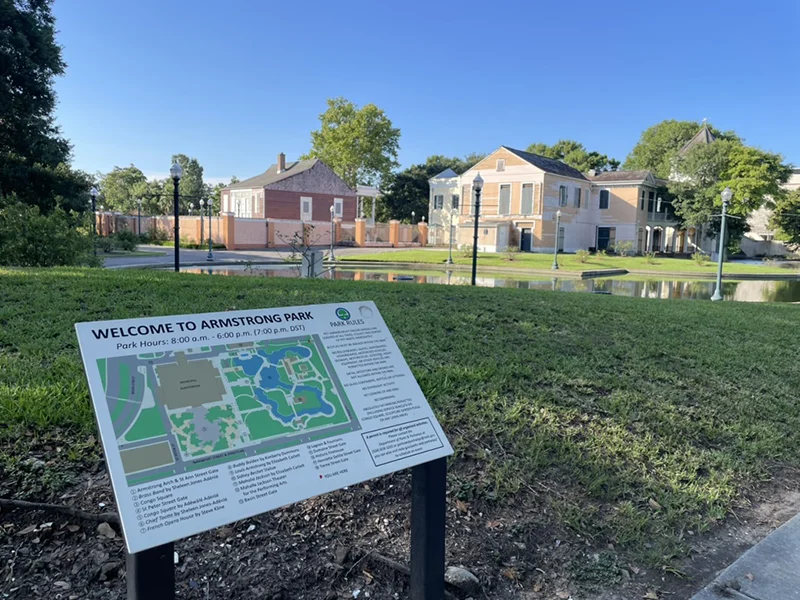
This project investigates the evolution of the concept of historical significance in New Orleans through preservation practice, public discourse, and institutional frameworks across the twentieth century. It examines how official preservation narratives and community-based understandings of history interacted to shape which places came to be formally recognized as historically valuable and which did not. Focusing on the French Quarter and Tremé as comparative case studies, the dissertation analyzes rhetoric drawn from local color literature, city planning documents, and preservation debates to show how historical significance was articulated and mobilized as preservation logic in different periods, producing uneven preservation outcomes.
Combining rhetorical, archival, and spatial analysis, the project traces how idealized depictions of New Orleans were translated into formal preservation frameworks that were unevenly applied. Case studies range from the 1919 French Opera House fire and the Federal Writers’ Project to mid-century urban renewal and contemporary commemorative landscapes. While grounded in New Orleans, the themes and methodologies developed throughout the project are transferable to the study of preservation across the United States, offering a framework for understanding how historical significance is constructed, contested, and unevenly applied in other regional and national contexts.