
Biography
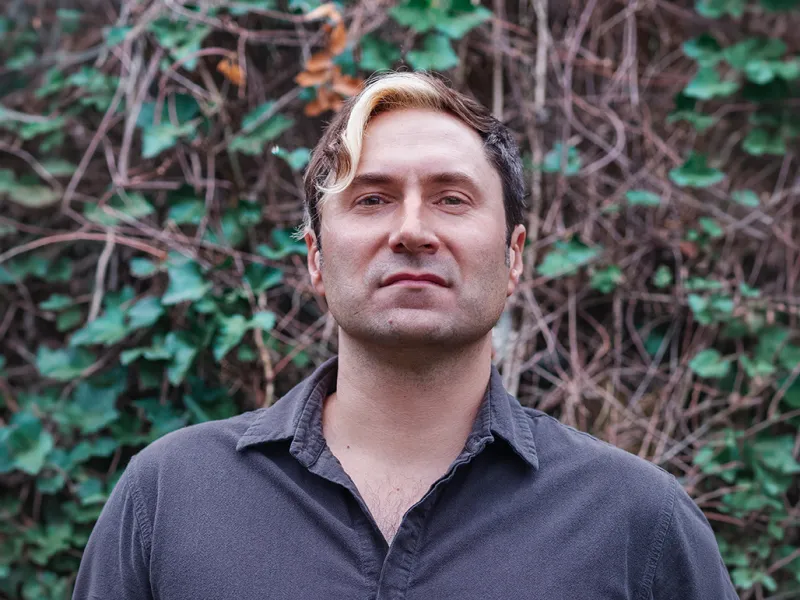
Robert W. Fieseler is a NLGJA: The Association of LGBTQ+ Journalists “Journalist of the Year” and recipient of the Pulitzer Traveling Fellowship. His debut book Tinderbox: The Untold Story of the Up Stairs Lounge Fire and the Rise of Gay Liberation won seven awards, including the Edgar Award, and his scholarship has appeared in Salon, Southern Cultures, 64 Parishes, and River Teeth, among others. His highly anticipated second book, American Scare, was declared a “masterwork” by ALA Booklist and a Best Book of 2025 by Kirkus Reviews. Fieseler graduated co-valedictorian from the Columbia Journalism School and is pursuing a PhD in History at Tulane University as a Mellon Fellow. He lives with his husband on the gayest street in New Orleans.
Project Description
The transgender history of the United States in the 20th century, most prominently studied by gender studies scholars such as Susan Stryker and Leslie Feinberg, has largely been bicoastally slanted, with a hyperfocus on urban centers such as New York City, as well as trans feminine skewed, with an emphasis on grassroots leadership and trans precarity. Lacking from that field historiography is major inquiry into how the political and medical infrastructure of the 20th century transgender movement, which laid the foundations for a future LGBT+ alliance, came into being, which required money and planning and medical/technological leaps. At a pivotal cusp in the mid-20th century, the movement ran logistically and financially through the Deep South by way of a trans robber baron figure living in Baton Rouge, Louisiana named Reed Erickson (1917-1992). Reed Erickson, upon the death of his father the lead smelting magnate Robert B. Erickson in 1962, became heir to a family and business empire. After completing a medical transition to male under the care of famed sexologist Dr. Harry Benjamin, Reed Erickson founded the Erickson Educational Foundation in segregated Louisiana to bankroll his personal causes. For decades, Erickson’s sizable fortune funded the opening of the first gender clinics at major university hospitals; sponsored the first national trans support hotlines for trans individuals in need; and quietly subsidized campaigns to legally facilitate the reassignment of one’s gender status in birth documents. The life and legacy of the Louisiana powerbroker Reed Erickson, a trans robber baron who envisioned and created America’s trans medical, political, and mutual aid infrastructure from behind the scenes with the same bullishness as the notoriously unelected urban planner Robert Moses, begs to be repatriated into the fold of queer and southern history writ large.