
Biography
Nicole Jozwik is a Ph.D. candidate in Art History and Latin American Studies at Tulane University. Her research interests include colonial Andean mining material culture, Indigenous technologies, and Andean-Catholic religious interchange. She is currently pursuing research on the art and material culture of colonial Indigenous mining communities in Potosí, Bolivia. Nicole reconstructs the material environment of conscripted miners by examining iconographic patterns and making processes in light of miners’ physical and spiritual relationship with the mine. She also relies on Quechua linguistic morphology to engage in Indigenous modes of history preservation and recenter Indigenous makers. She received her Masters in the History of Art at the Pennsylvania State University. Nicole also received Quechua language instruction from Centro Tinku, Cusco and the Ohio State University.
Project summary
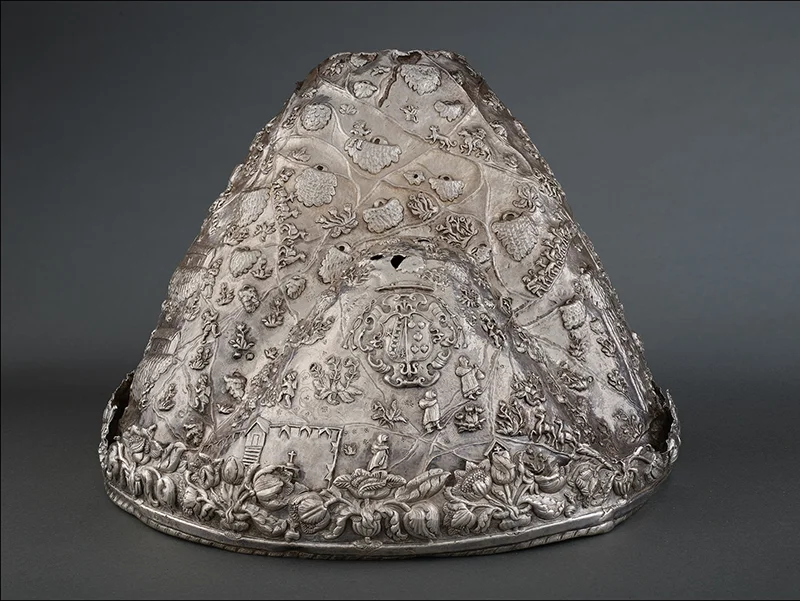
In 1572 Peruvian Viceroy Francisco de Toledo established the mita system, a compulsory labor system that conscripted Indigenous peoples to work in the silver mines of Potosí, Bolivia. In my dissertation entitled, “Potosí’s Conscripted Artists: The Art and Material Culture of the Silver City’s Indigenous Miners,” I theorize that Indigenous artists conscripted for menial labor continued to create objects to meet the specific cultural, religious, and occupational needs of their mining community. The works that they made fostered an alternative art world apart from Potosí’s formal contract-oriented art market. I examine iconographic patterns, making processes, and Indigenous language morphology to interrogate how non-elite, coerced Indigenous peoples actively shaped viceregal Peru’s art market. My project expands our understanding of the colonial art market by analyzing how conscripted artists conducted exchanges in Indigenous neighborhoods and commercial spaces. I center artworks of Indigenous miners, thus blurring the lines between artist and laborer.