Biography
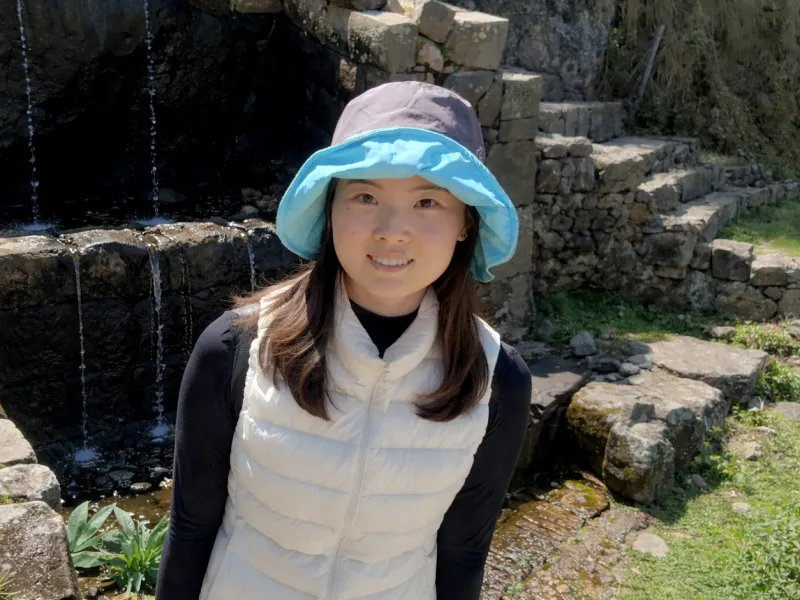
MinJoo Choi is a PhD student in archaeology with a regional focus in the Central Andes. Her research interests include collapse and regeneration of complex societies, trade and exchange, identity formation, ceramic analysis, and geochemical analysis. She is a member of the “Chavín Hinterland Project,” which examines the longue durée social changes within the Conchucos region in Peru. Her previous field work includes various coastal and highland regions in Peru and the steppe of the Gobi Desert in Mongolia. Previously, she received her BA in International Relations and Archaeology from Johns Hopkins University (2017), MA in Archaeological Studies from Yale University (2021), and MA in Anthropology from Tulane University (2025).
Project summary
In the mid-first millennium BCE, much of present-day Peru underwent major cultural and structural reorganization following the disintegration of the long-distance network centered on a major ceremonial center, Chavín de Huántar (1100-500/400 BCE). This broader regional unraveling was accompanied by fragmentation, regionalism, heightened violence, and settlement relocation. In Chavin’s heartland of the Conchucos region, these transformations are closely tied to the emergence of the Huarás culture, yet the processes through which communities reorganized everyday life, economic practices, and technologies remain poorly understood.
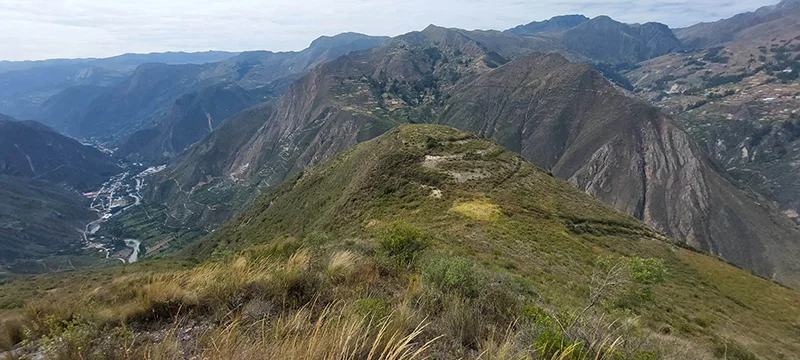
To address this gap, I will be conducting archaeological investigations at Aynijirca (350–150 BCE), a defensible post-Chavín village located 25 km northeast of Chavín de Huántar. Enclosed by concentric circular walls and situated on a modified ridgetop, Aynijirca offers a valuable opportunity to study domestic life during a period of regional conflict, mobility, and social transformation.
This project examines how Huarás communities reconfigured belonging, authority, ritual, and economic practices after the collapse of a major ceremonial center. By analyzing architecture, ritual paraphernalia, and household assemblages, the project contributes to broader scholarship on crisis, regeneration, and the creation of new forms of social order in the event of crisis.